 EN
EN

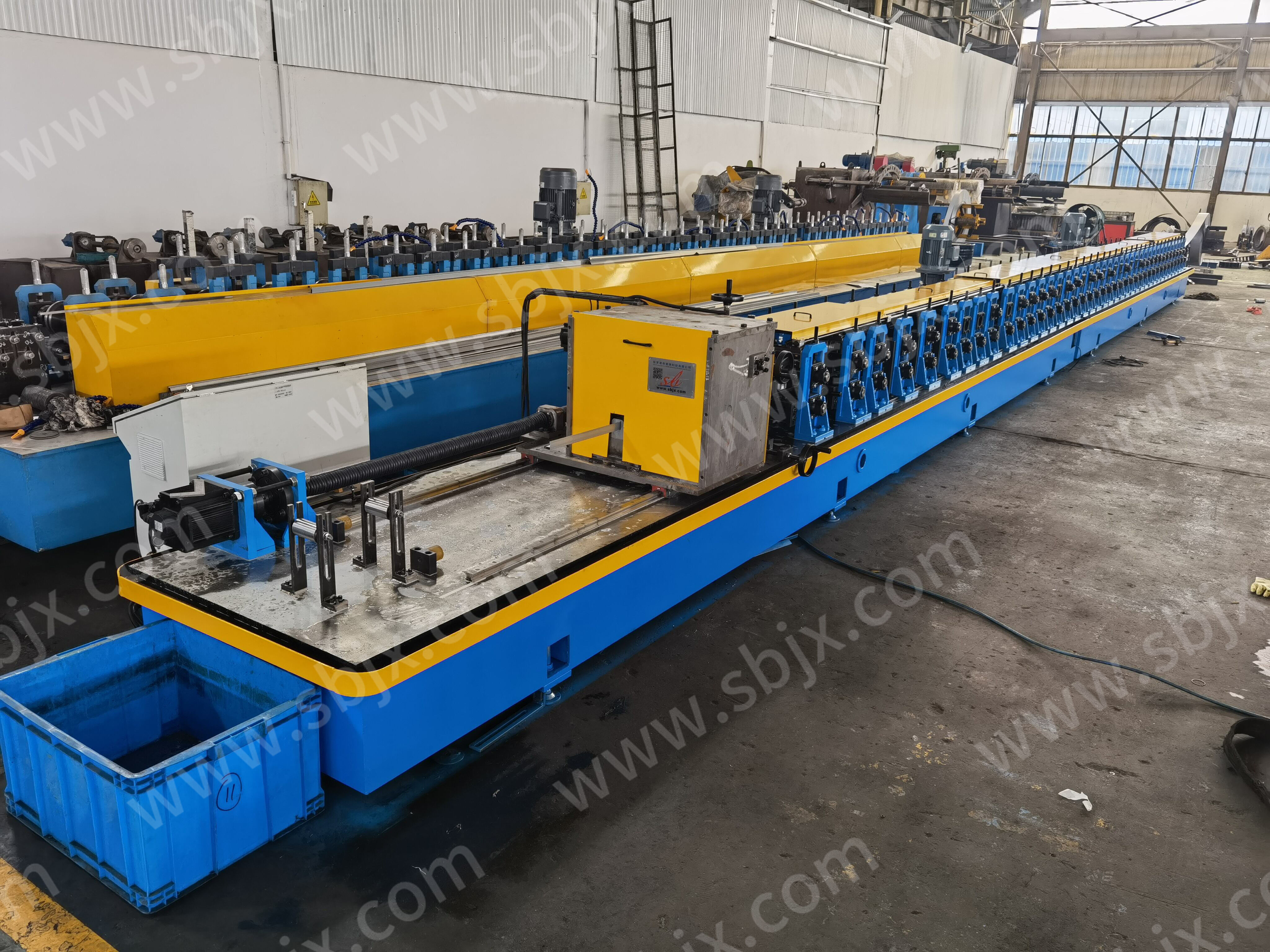
India is hitting the brakes on its solar-power roll out. This is significant because it aids in making the country greener and less polluted. There's a lot of conversation about solar power, and it's not just for show; it's a critical component of India's future. The government has implemented a variety of new rules and programs to promote solar energy. These shifts are influencing how much solar equipment the country is requiring. Both have significant implications for business, something that companies like Saibo are paying close attention to, since they can help these companies make better choices, we will look at how India’s solar policies are changing the demand for solar equipment.
India’s Solar Equipment Market - What Wholesale Buyers Need to Know
There are a few things wholesale buyers should know before entering the solar equipment market in India. First, the demand for solar panels and their associated equipment is sky-rocketing. This is largely due to the fact that the government is encouraging renewable power. The temptation increases to go solar for many of those businesses and homeowners. They regard it as a path to lower electricity bills and as a way to help the environment. The government has high expectations from solar power and that means, there will be more options for sellers. For instance, the 100 GW solar power capacity target has nudged in a lot of investment in solar technology. Purchasing solar equipment in India is not all about price. Quality matters too.
What The Buyers Should Look For?
Buyers can search for equipment that has certain standards. This allows for reliability and efficiency of the products. Makers like Saibo are committed to high-quality manufacturing which you can trust as a buyer. Furthermore, people who are about to purchase it must know there are many solar kits. Just to name a few, there are solar panels, inverters, batteries and so on. All of them have a valuable contribution to make in the world of solar energy. It is beneficial to know what is required for various projects.
Another factor is the natural market. Some may have different terms according to who you ask in various parts of India. For example, states such as Gujarat and Rajasthan have more sunshine, due to which the solar power is much better there. Buyers need to consider where they want to sell their wares. Knowing what a region needs can inspire buyers to do better. Also, as the market expands so does competition. But buyers will have to be shrewd and savvy if they want to get ahead. They can achieve this by providing good service and selling quality products.
Government policies could finally be something that buyers may want to watch. These are even alterable, and new ones may yet materialize that trip up the solar marketplace. Being informed will enable buyers to adapt and thrive. Wholesale importers can make the most of this rising demand for solar equipment in India, with a thoughtful approach.
How India’s Solar Ambitions will Impact on Choice of Equipment and Quality
India’s solar efforts have a large bearing on how companies are picking solar equipment. The Government has launched various schemes to promote the use of solar energy, and these initiatives undoubtedly affect popularity of equipment. For example, there are rewards for using high-efficiency solar panels. That makes it more likely that if and when companies spend money, they are going to pay more for higher-quality panels that produce the most energy. Once they discover that they can save money on their energy bills with efficient appliances, it is often a short step to deciding that solar panels can do the same.
In addition, the government also establishes certain criteria with regards to solar gear. These also guarantee that the apparatus functions well and is safe. The Bureau of Indian Standards (BIS) has rules that the makers have to comply with. When companies like Saibo follow these standards, it fosters trust with customers. They know they are getting something that’s higher quality and will last longer.
Another impact of solar ventures: A drive for local manufacturing. The government has championed “Make in India,” a program that urges companies to make solar equipment within India. This is good for the economy and helps keep shipping, import duties etc low. Companies are therefore now seeking parts and materials that can be obtained in-country. This change of source affects the kind of items they can get and the quality of their goods.
And as the number of people and businesses opting for solar power continues to rise, so too does the demand for storing extra energy in batteries. The government is aware of this and is calling for innovations in battery technology. Good batteries are necessary for storing solar power, especially in locations where sunshine is sporadic. Developing a better battery to store the energy for longer periods is now what.companies are working on.
And finally, companies are also taking customer feedback into account. When more people use solar power, they talk about it, affecting the products manufacturers make. If customers demand longer-lasting equipment or better warranties, manufacturers will have to listen. This results in a cycle where programs, customer requirements, and quality of equipment are all complementary. So India’s solar plans are not only defining what equipment is bought, but also how that equipment is manufactured and sold within the country.
What Are the Top Problems that Wholesale Buyers Have Dealing with Solar Equipment Movements?
Let us just say when it comes to purchasing wholesale solar equipment, life is not easy. One of the biggest issues is that equipment is relatively expensive. Solar power is increasingly popular, but there are still relatively high costs associated with the purchase of solar panels and other equipment. It can be difficult for wholesale buyers to locate products at the right price in order to make offerings to their customers. Another problem is the quality of the gear. From time to time, buyers get products that don’t meet their expectations or work as well as promised. That can result in unhappy customers and can damage the buyer’s business reputation.
Also, there are issues of delivery and supply chains. Occasionally they are late, or damaged equipment shows up. This can slow down jobs and result in extra cost. Wholesale buyers also face a good deal of red tape and regulation. They want to know the rules announced by the government and ensure they are following them. It can be confusing, especially for small or new businesses in the solar industry. Lastly, competition is tough. There is money to be made in the business of selling solar equipment, and many companies want a piece, so buyers need to figure out how to differentiate themselves by offering something different. On the whole, these problems can create difficulties to the wholesale buyers in solar equipment market.
How To Capitalise On India’s Solar Policies For a Better Pricing Infrastructure
There are so many solar policies in India which can ease these wholesale buyers to get better prices for roll forming solar equipment. A benefit of these policies is that you can bet on government incentives and sponsorships. The Government of India through various joint state run and private out-sourcing.companies is also financially supporting the move as part of its larger commitment to developing solar power projects in India. Wholesale buyers can save money by knowing these programs. For example, if a purchaser learns of a rebate on solar panels, the buyer can claim that and save some money in buying tools.
Another indirect approach is to collaborate with the local manufacturers. A lot of Indian solar policies are about local manufacturing: create locally made solar equipment. Wholesale buyers can pass along savings and receive products faster by buying from local companies. That can also allow buyers to avoid the steep tariffs that are sometimes levied on imported equipment. You will also be able to have stricter quality control -it is easier if the production team is near.
Purchasers can also join industry associations or networks. Some of these groups shed some light on the latest solar policy and trends. Participating in these networks can help buyers find other professionals in the solar industry and share information that could result in better pricing. Finally, wholesale purchasers must always haggle with suppliers. Lots of vendors are more than happy to offer you discount or better payment terms, especially if they know that the buyer is serious about buying more than once. By employing these techniques, wholesale buyers can help reduce the cost of hardware while expanding Indian solar.
New Trends Impacting India’s Wholesale Solar Equipment Demand What is Currently in Demand Right Now?
The solar equipment market in India is evolving dramatically with numerous trends contributing to its growth. One of the biggest trends is the move toward greener forms of energy. More people and companies are becoming conscious of climate change, which is motivating them to do what they can to shrink their carbon footprint. This has resulted in the demand of solar industry due to it being a clean, and renewable power source. Wholesalers can capitalize on this trend by providing a selection of solar products to appeal to the eco-friendly consumer.
There is also the rise of tech in solar hardware. Solar panels are getting cheaper and better. Take the solar cell, for instance: Technological progress has allowed panels to generate more power with less sun. This is great news for wholesalers who are able to sell high-quality products that appeal to more people. The trend towards smart homes also is affecting demand. A majority of homeowners would like energy from the sun to be able to communicate with smart gadgets, a feature that could drive revenue for solar hardware.
The role of the government of India is also undeniable in fuelling demand. As climate change legislation increasingly rewards the harnessing of solar energy, businesses and homeowners alike are installing solar-power systems. Wholesale traders can capitalize on this by tracking government initiatives and planning their product range similarly. There is also an increasing demand for off-grid solar solutions, particularly in rural areas with restricted access to electricity. This potentially creates a market for wholesale dealers to distribute specialty items for these markets.
Finally, as the solar industry expands, so does the level of competition. And serious wholesale buyers need to know what the competition is advertising. They also can refresh their stock, if they are updated on market trends and what they know customers want. In summary, to understand these consumer trends is a great way for wholesale buyers such as Saibo’s to make decisions wisely and win in this changing solar equipment market.
Table of Contents
- India’s Solar Equipment Market - What Wholesale Buyers Need to Know
- What The Buyers Should Look For?
- How India’s Solar Ambitions will Impact on Choice of Equipment and Quality
- What Are the Top Problems that Wholesale Buyers Have Dealing with Solar Equipment Movements?
- How To Capitalise On India’s Solar Policies For a Better Pricing Infrastructure
- New Trends Impacting India’s Wholesale Solar Equipment Demand What is Currently in Demand Right Now?