 EN
EN

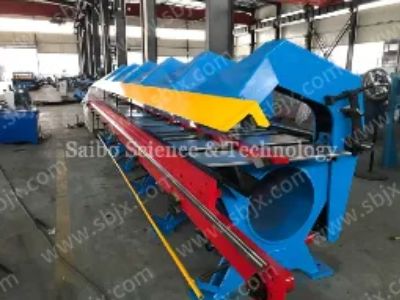
In the world of manufacturing, getting things done quickly and efficiently is essential. Saibo understands how important it is to maximize the performance of slitting machine and Cut-to-Length (CTL) lines in high-volume production. Optimizing these production lines helps manufacturers increase output, maintain consistent quality, reduce costs, and meet customer demands. Whether you operate a large manufacturing facility or a smaller production plant, improving the efficiency of your slit and CTL lines can give your business a competitive advantage.
How to Maximize Efficiency in Slit and CTL Lines for Wholesale Production?
Improving the efficiency of slit and CTL lines starts with evaluating your equipment. Modern machines offer better precision, faster processing speeds, and greater reliability than outdated equipment. Regular preventive maintenance is equally important because unexpected breakdowns can interrupt production and increase operating costs.
Proper employee training also plays a significant role. Operators who understand how to use the equipment correctly make fewer mistakes, reduce material waste, and keep production running smoothly. Well-trained staff can also identify potential issues before they become major problems.
The layout of the production area should also be organized for maximum efficiency. Keeping tools, materials, and equipment within easy reach reduces unnecessary movement and saves valuable production time. A well-planned material flow ensures that raw materials move through the production process without delays.
Technology can further improve productivity. Production monitoring software helps track machine performance, identify bottlenecks, and measure output in real time. With accurate production data, manufacturers can make informed decisions to improve efficiency. At Saibo, we believe that combining modern equipment, skilled operators, organized workflows, and smart technology creates the most productive slitting and rewinding machine and CTL production lines.
Where to Find the Best Equipment for Slit and CTL Line Optimization?
Choosing the right equipment is essential for optimizing slit and CTL production. Industry trade shows and manufacturing exhibitions are excellent places to explore the latest machinery and automation technologies. These events allow buyers to compare equipment, watch live demonstrations, and speak directly with manufacturers.
Online research is another effective way to compare equipment. Many manufacturers provide detailed product specifications, videos, and customer testimonials that help buyers evaluate different solutions before making a purchase.
Local equipment suppliers can also be valuable partners. They often provide installation, maintenance, and technical support that larger distributors may not offer. Building a long-term relationship with a trusted supplier can result in faster service and better pricing.
Networking with other manufacturers is another useful strategy. Experienced businesses can recommend reliable equipment based on real production experience. At Saibo, we understand that investing in high-quality machinery is one of the most effective ways to improve production efficiency and product quality.
Common Issues That Affect Slit and CTL Production Efficiency
Several challenges can reduce the efficiency of slit and CTL production lines. Machine breakdowns are among the most common problems. Worn components or poor maintenance can stop production unexpectedly, leading to costly downtime. Regular inspections and preventive maintenance help minimize these risks.
Material handling problems can also slow production. Delays occur when raw materials are not delivered on time or when operators spend unnecessary time locating materials. Organizing inventory and maintaining a smooth workflow helps eliminate these delays.
Operator errors are another common issue. Without proper training, workers may make mistakes that lead to defective products or wasted materials. Ongoing training ensures employees understand the correct operating procedures and safety requirements.
Communication between departments is equally important. Clear communication helps production teams coordinate schedules, solve problems quickly, and reduce misunderstandings. At Saibo, we focus on preventive maintenance, employee training, and efficient communication to maintain reliable production performance.
How to Implement Lean Manufacturing Techniques in Slit and CTL Lines?
Lean manufacturing helps improve efficiency by reducing waste and streamlining production processes. The first step is identifying areas where waste occurs, including excess materials, unnecessary movement, waiting time, or inefficient machine operation.
One of the most effective lean tools is the 5S system: Sort, Set in Order, Shine, Standardize, and Sustain. This method keeps workspaces clean, organized, and efficient. Workers can quickly locate tools and materials, reducing delays and improving productivity.
Just-in-Time (JIT) production is another valuable lean strategy. By producing materials only when needed, manufacturers reduce inventory costs and minimize waste while maintaining steady production.
Regular improvement meetings also support lean manufacturing. Encouraging employees to share ideas for improving workflows creates a culture of continuous improvement. At Saibo, we believe that involving every employee in the optimization process leads to higher productivity and better manufacturing performance.
How to Ensure Consistent Product Quality in High-Volume Slitting?
Maintaining consistent quality is essential in high-volume production. Even small errors can result in large quantities of defective products. Establishing clear quality standards ensures that every product meets customer requirements.
Operator training is one of the most effective ways to maintain consistent quality. Skilled workers understand machine settings, recognize potential defects, and follow standardized production procedures.
Quality inspections should be performed throughout the production process rather than only at the end. Detecting problems early reduces waste and prevents defective products from reaching customers.
Modern monitoring systems also help improve quality. Sensors and automated inspection equipment can identify production issues immediately, allowing operators to make corrections before defects increase.
Customer feedback provides valuable information for continuous improvement. Understanding customer expectations helps manufacturers refine their production processes and maintain high product standards. At Saibo, we combine advanced technology, strict quality control, skilled operators, and continuous improvement to ensure every roll slitting machine and CTL product meets the highest quality standards.
Table of Contents
- How to Maximize Efficiency in Slit and CTL Lines for Wholesale Production?
- Where to Find the Best Equipment for Slit and CTL Line Optimization?
- Common Issues That Affect Slit and CTL Production Efficiency
- How to Implement Lean Manufacturing Techniques in Slit and CTL Lines?
- How to Ensure Consistent Product Quality in High-Volume Slitting?